How to Make Dubbing With AI Without Losing Your Brand Voice
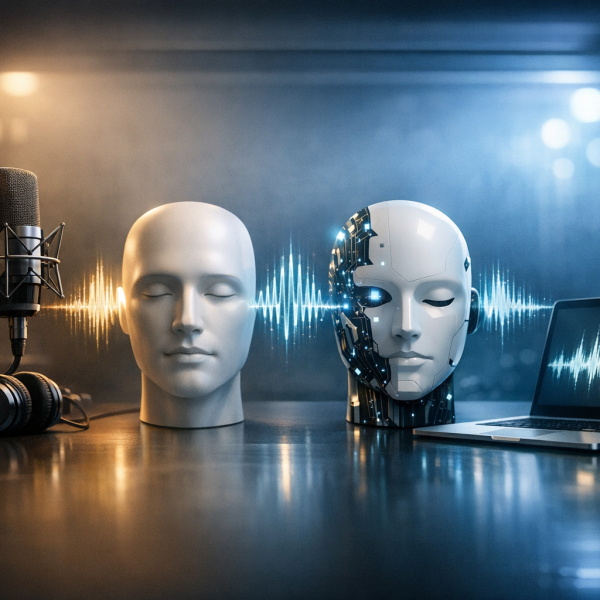
Expanding your content to global audiences with multilingual dubbing is no longer reserved for big studios. AI tools can replicate your tone, rhythm, and delivery across multiple languages at scale. The challenge is doing it without sacrificing the personality, trust, and familiarity your audience already associates with your brand. With the right strategy and tools, you can use AI-powered dubbing and automation while maintaining a consistent, recognizable brand voice in every market.
1. Define Your Brand Voice Before You Dub
Before you touch any AI dubbing tool, you need a crystal-clear definition of your brand voice. That means documenting how your brand sounds in everyday communication, not just in one video or campaign. Ask yourself:
- Is your tone formal, friendly, humorous, or authoritative?
- Do you use short, punchy sentences or detailed explanations?
- What kind of vocabulary do you prefer: simple, technical, casual, or niche-specific?
- How do you talk about your customers: clients, users, partners, community?
Once defined, create a short brand voice guide you can share with your team and language professionals. This gives everyone, including AI specialists and translators, a shared reference for what "on-brand" means in practice.
2. Choose AI Tools That Support Customization
Not all AI dubbing or automation platforms are created equal. If you want to preserve your brand voice, choose tools that let you fine-tune outputs rather than forcing you into a generic style. For example, when creating content assets and handling documentation or billing flows, a tool like invoice generator ai can help keep the look, structure, and language of your documents aligned with your existing brand identity, instead of producing standard templates that feel off-brand.
For dubbing, look for solutions that allow:
- Custom voice selection that matches your preferred tone
- Control over pacing, emphasis, and intonation
- Easy editing of scripts after translation
- Integration with professional translators and proofreaders
3. Start With High-Quality Source Scripts
AI will only be as good as the material you feed it. If your original scripts are inconsistent, cluttered, or poorly structured, your dubbed versions will exaggerate those problems. To protect your brand voice:
- Write scripts with clear, concise sentences.
- Use language that reflects your documented brand voice.
- Avoid slang or idioms that will not translate well.
- Mark key words or phrases that must be preserved in every language.
Clean scripts help translators and AI systems maintain meaning and tone while avoiding awkward phrasing in other languages.
4. Work With Native-Language Experts
AI is powerful, but it still benefits from human oversight, especially when your brand reputation is at stake. For each language you dub into, collaborate with:
- Native translators who understand your niche and audience
- Editors who can adjust phrasing to match your target tone
- Localization specialists who consider culture-specific nuances
These experts can refine AI-generated translations, flag cultural missteps, and adapt jokes, metaphors, or references so they make sense locally while staying aligned with your core personality.
5. Use AI Voice Over That Mirrors Your Speaker
When moving from text to speech, the choice of voice can make or break your brand consistency. A solution that offers realistic ai voice over is key to keeping your tone recognizable across languages. Aim for a voice that:
- Matches your existing spokesperson or narrator in age, energy, and style
- Delivers lines at a pace your audience is used to
- Can be cloned or closely replicated in multiple languages
If you frequently use a particular host or company founder, voice cloning combined with professional oversight can help maintain that familiar presence in every market you target.
6. Align Timing, Lip Sync, and Visuals
Brand voice is not just about words; it is also about how they fit with visuals and on-screen behavior. Poor sync between audio and visuals can make your content feel cheap or untrustworthy. To keep a professional, cohesive feel:
- Use tools that support automatic lip sync or timing adjustments.
- Review dubbed videos to ensure emotional moments align with facial expressions or on-screen events.
- Adjust or trim scripts if translated lines are much longer or shorter than the original.
When visuals and audio are aligned, your brand appears deliberate, attentive, and polished, no matter the language.
7. Standardize Naming, Terminology, and Taglines
Nothing breaks brand consistency faster than hearing your product names or key messages translated three different ways. Establish a terminology list that includes:
AI dubbing can preserve the timbre of a voice while quietly losing the intent behind a line, which is why brand work still ends with a human pass. The identical pattern shows up in text, where fluent output masks small errors of meaning. This piece on post editing machine translation weighs how much of the promised speed survives proper review.
Synthetic dubbing preserves the timing and loses the register, which is precisely the part audiences respond to. Tone survives poorly through automation. Producers who care about how a piece lands abroad still budget for human content localization on top of the generated audio.
- Product and feature names, including which should remain in the original language
- Taglines and recurring phrases with approved translations
- Preferred translations for technical or industry terms
Share this glossary across your translation, dubbing, and marketing teams. Many AI tools allow you to upload custom dictionaries or glossaries, ensuring consistent wording across all dubbed content.
8. Test With Real Audiences and Iterate
Data-driven feedback will reveal whether your dubbed content truly carries your brand voice. Instead of guessing, test with:
- Small groups of native speakers in each target market
- Existing customers who already know your brand
- Internal teams familiar with brand guidelines
Ask whether the dubbed version feels like the same brand they know in your original language. Collect insights on tone, clarity, trustworthiness, and emotional impact, then refine your scripts, voice choices, or timing based on that feedback.
9. Document a Repeatable AI Dubbing Workflow
Once you have a process that works, turn it into a documented workflow your team can follow. This helps you scale dubbing to more languages and content formats without losing quality. Your workflow might include:
- Script preparation and brand voice check
- Translation using approved glossaries
- Human review and localization
- AI voice generation and timing alignment
- Quality assurance with native reviewers
- Final publishing and performance tracking
Standardization reduces errors, saves time, and keeps every new dubbed asset aligned with your brand identity.
A documented workflow is only as good as the specialists who run it, which is why many brands outsource the whole pipeline to professional video translation services. A dedicated team can manage script preparation, translation, voice generation and quality assurance under one roof, keeping every asset aligned with your brand voice. That end-to-end ownership removes the handoff gaps where tone usually gets lost. If you are scaling to new markets, ask how a provider documents and repeats the process for each language.
10. Monitor Performance and Update Regularly
AI technologies evolve quickly, and so do audience expectations. Treat your dubbed content as a living asset. Track metrics such as:
- Watch time and drop-off points for each language
- Engagement rates on localized social channels
- Comments or feedback about clarity or tone
Use this data to adjust your scripts, voices, or formats. Over time, your AI-powered dubbing will not only reflect your current brand voice but will actively help you refine it across global markets.
Conclusion
AI-based dubbing unlocks powerful opportunities to scale your content, reach new markets, and stay consistent across languages when you approach it strategically. By defining your brand voice, choosing customizable tools, collaborating with language experts, and building a repeatable workflow, you can preserve the personality and trust your audience already associates with your brand. With thoughtful implementation, every dubbed video becomes a natural extension of your existing identity, not a watered-down imitation.
Expanding your content to global audiences with multilingual dubbing is no longer reserved for big studios. AI tools can replicate your tone, rhythm, and delivery across multiple languages at scale. The challenge is doing it without sacrificing the personality, trust, and familiarity your audience already associates with your brand. With the right strategy and tools, you can use AI-powered dubbing and automation while maintaining a consistent, recognizable brand voice in every market.
Expanding your content to global audiences with multilingual dubbing is no longer reserved for big studios. AI tools can replicate your tone, rhythm, and delivery across multiple languages at scale. The challenge is doing it without sacrificing the personality, trust, and familiarity your audience already associates with your brand. With the right strategy and tools, you can use AI-powered dubbing and automation while maintaining a consistent, recognizable brand voice in every market.
1. Define Your Brand Voice Before You Dub
Before you touch any AI dubbing tool, you need a crystal-clear definition of your brand voice. That means documenting how your brand sounds in everyday communication, not just in one video or campaign. Ask yourself:
Before you touch any AI dubbing tool, you need a crystal-clear definition of your brand voice. That means documenting how your brand sounds in everyday communication, not just in one video or campaign. Ask yourself:
- Is your tone formal, friendly, humorous, or authoritative?
- Do you use short, punchy sentences or detailed explanations?
- What kind of vocabulary do you prefer: simple, technical, casual, or niche-specific?
- How do you talk about your customers: clients, users, partners, community?
Once defined, create a short brand voice guide you can share with your team and language professionals. This gives everyone, including AI specialists and translators, a shared reference for what "on-brand" means in practice.
Once defined, create a short brand voice guide you can share with your team and language professionals. This gives everyone, including AI specialists and translators, a shared reference for what "on-brand" means in practice.
2. Choose AI Tools That Support Customization
Not all AI dubbing or automation platforms are created equal. If you want to preserve your brand voice, choose tools that let you fine-tune outputs rather than forcing you into a generic style. For example, when creating content assets and handling documentation or billing flows, a tool like invoice generator ai can help keep the look, structure, and language of your documents aligned with your existing brand identity, instead of producing standard templates that feel off-brand.
Not all AI dubbing or automation platforms are created equal. If you want to preserve your brand voice, choose tools that let you fine-tune outputs rather than forcing you into a generic style. For example, when creating content assets and handling documentation or billing flows, a tool like invoice generator ai can help keep the look, structure, and language of your documents aligned with your existing brand identity, instead of producing standard templates that feel off-brand.
For dubbing, look for solutions that allow:
- Custom voice selection that matches your preferred tone
- Control over pacing, emphasis, and intonation
- Easy editing of scripts after translation
- Integration with professional translators and proofreaders
3. Start With High-Quality Source Scripts
AI will only be as good as the material you feed it. If your original scripts are inconsistent, cluttered, or poorly structured, your dubbed versions will exaggerate those problems. To protect your brand voice:
AI will only be as good as the material you feed it. If your original scripts are inconsistent, cluttered, or poorly structured, your dubbed versions will exaggerate those problems. To protect your brand voice:
- Write scripts with clear, concise sentences.
- Use language that reflects your documented brand voice.
- Avoid slang or idioms that will not translate well.
- Mark key words or phrases that must be preserved in every language.
Clean scripts help translators and AI systems maintain meaning and tone while avoiding awkward phrasing in other languages.
4. Work With Native-Language Experts
AI is powerful, but it still benefits from human oversight, especially when your brand reputation is at stake. For each language you dub into, collaborate with:
- Native translators who understand your niche and audience
- Editors who can adjust phrasing to match your target tone
- Localization specialists who consider culture-specific nuances
These experts can refine AI-generated translations, flag cultural missteps, and adapt jokes, metaphors, or references so they make sense locally while staying aligned with your core personality.
These experts can refine AI-generated translations, flag cultural missteps, and adapt jokes, metaphors, or references so they make sense locally while staying aligned with your core personality.
5. Use AI Voice Over That Mirrors Your Speaker
When moving from text to speech, the choice of voice can make or break your brand consistency. A solution that offers realistic ai voice over is key to keeping your tone recognizable across languages. Aim for a voice that:
When moving from text to speech, the choice of voice can make or break your brand consistency. A solution that offers realistic ai voice over is key to keeping your tone recognizable across languages. Aim for a voice that:
- Matches your existing spokesperson or narrator in age, energy, and style
- Delivers lines at a pace your audience is used to
- Can be cloned or closely replicated in multiple languages
If you frequently use a particular host or company founder, voice cloning combined with professional oversight can help maintain that familiar presence in every market you target.
If you frequently use a particular host or company founder, voice cloning combined with professional oversight can help maintain that familiar presence in every market you target.
6. Align Timing, Lip Sync, and Visuals
Brand voice is not just about words; it is also about how they fit with visuals and on-screen behavior. Poor sync between audio and visuals can make your content feel cheap or untrustworthy. To keep a professional, cohesive feel:
Brand voice is not just about words; it is also about how they fit with visuals and on-screen behavior. Poor sync between audio and visuals can make your content feel cheap or untrustworthy. To keep a professional, cohesive feel:
- Use tools that support automatic lip sync or timing adjustments.
- Review dubbed videos to ensure emotional moments align with facial expressions or on-screen events.
- Adjust or trim scripts if translated lines are much longer or shorter than the original.
When visuals and audio are aligned, your brand appears deliberate, attentive, and polished, no matter the language.
7. Standardize Naming, Terminology, and Taglines
Nothing breaks brand consistency faster than hearing your product names or key messages translated three different ways. Establish a terminology list that includes:
AI dubbing can preserve the timbre of a voice while quietly losing the intent behind a line, which is why brand work still ends with a human pass. The identical pattern shows up in text, where fluent output masks small errors of meaning. This piece on post editing machine translation weighs how much of the promised speed survives proper review.
AI dubbing can preserve the timbre of a voice while quietly losing the intent behind a line, which is why brand work still ends with a human pass. The identical pattern shows up in text, where fluent output masks small errors of meaning. This piece on post editing machine translation weighs how much of the promised speed survives proper review.
Synthetic dubbing preserves the timing and loses the register, which is precisely the part audiences respond to. Tone survives poorly through automation. Producers who care about how a piece lands abroad still budget for human content localization on top of the generated audio.
Synthetic dubbing preserves the timing and loses the register, which is precisely the part audiences respond to. Tone survives poorly through automation. Producers who care about how a piece lands abroad still budget for human content localization on top of the generated audio.
- Product and feature names, including which should remain in the original language
- Taglines and recurring phrases with approved translations
- Preferred translations for technical or industry terms
Share this glossary across your translation, dubbing, and marketing teams. Many AI tools allow you to upload custom dictionaries or glossaries, ensuring consistent wording across all dubbed content.
Share this glossary across your translation, dubbing, and marketing teams. Many AI tools allow you to upload custom dictionaries or glossaries, ensuring consistent wording across all dubbed content.
8. Test With Real Audiences and Iterate
Data-driven feedback will reveal whether your dubbed content truly carries your brand voice. Instead of guessing, test with:
- Small groups of native speakers in each target market
- Existing customers who already know your brand
- Internal teams familiar with brand guidelines
Ask whether the dubbed version feels like the same brand they know in your original language. Collect insights on tone, clarity, trustworthiness, and emotional impact, then refine your scripts, voice choices, or timing based on that feedback.
Ask whether the dubbed version feels like the same brand they know in your original language. Collect insights on tone, clarity, trustworthiness, and emotional impact, then refine your scripts, voice choices, or timing based on that feedback.
9. Document a Repeatable AI Dubbing Workflow
Once you have a process that works, turn it into a documented workflow your team can follow. This helps you scale dubbing to more languages and content formats without losing quality. Your workflow might include:
Once you have a process that works, turn it into a documented workflow your team can follow. This helps you scale dubbing to more languages and content formats without losing quality. Your workflow might include:
- Script preparation and brand voice check
- Translation using approved glossaries
- Human review and localization
- AI voice generation and timing alignment
- Quality assurance with native reviewers
- Final publishing and performance tracking
Standardization reduces errors, saves time, and keeps every new dubbed asset aligned with your brand identity.
10. Monitor Performance and Update Regularly
AI technologies evolve quickly, and so do audience expectations. Treat your dubbed content as a living asset. Track metrics such as:
- Watch time and drop-off points for each language
- Engagement rates on localized social channels
- Comments or feedback about clarity or tone
Use this data to adjust your scripts, voices, or formats. Over time, your AI-powered dubbing will not only reflect your current brand voice but will actively help you refine it across global markets.
Use this data to adjust your scripts, voices, or formats. Over time, your AI-powered dubbing will not only reflect your current brand voice but will actively help you refine it across global markets.
Conclusion
AI-based dubbing unlocks powerful opportunities to scale your content, reach new markets, and stay consistent across languages when you approach it strategically. By defining your brand voice, choosing customizable tools, collaborating with language experts, and building a repeatable workflow, you can preserve the personality and trust your audience already associates with your brand. With thoughtful implementation, every dubbed video becomes a natural extension of your existing identity, not a watered-down imitation.
AI-based dubbing unlocks powerful opportunities to scale your content, reach new markets, and stay consistent across languages when you approach it strategically. By defining your brand voice, choosing customizable tools, collaborating with language experts, and building a repeatable workflow, you can preserve the personality and trust your audience already associates with your brand. With thoughtful implementation, every dubbed video becomes a natural extension of your existing identity, not a watered-down imitation.